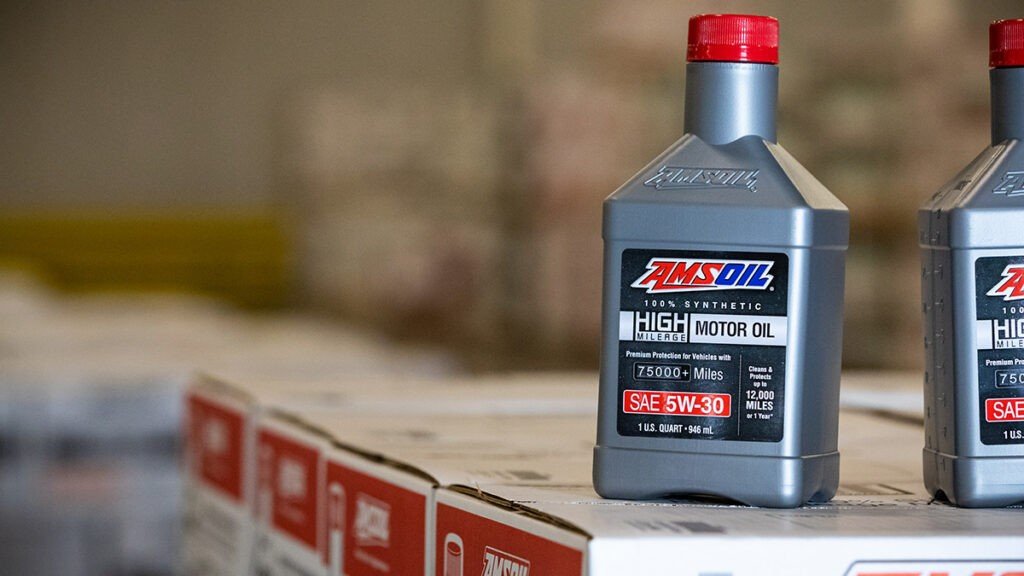
For many drivers, that trusty older car isn't just a vehicle; it's a testament to durability, a memory-maker, and a smart financial choice. But as the odometer climbs past the 75,000-mile mark, a common question often surfaces: is it time for high mileage oil? More importantly, when it comes to evaluating the cost-effectiveness of high mileage oil, what's the real story? Is it a marketing gimmick, or a genuinely smart investment that can extend your engine's life and save you money down the road?
The answer, like most things in automotive maintenance, isn't a simple yes or no. It depends on your car, its unique symptoms, and understanding the specialized science behind these formulations. Let's peel back the layers and discover if making the switch to high mileage oil is the right financial and mechanical move for your beloved older vehicle.
At a Glance: High Mileage Oil Essentials
- Designed for 75,000+ Miles: Specifically formulated to address age-related engine wear and tear.
- Special Additives: Contains higher concentrations of seal conditioners, detergents, and anti-wear compounds.
- Key Benefits: Helps reduce oil leaks, decrease oil consumption, clean sludge, and protect against friction.
- Potential Savings: Can offset its slightly higher cost by preventing expensive repairs like seal replacements.
- Not a Magic Bullet: Won't fix severe mechanical problems, nor is it always necessary for healthy high-mileage engines.
- When to Switch: Look for symptoms like minor leaks, increased oil consumption, or unusual engine noise, not just mileage alone.
Beyond the Miles: What is High Mileage Oil, and How Does It Work?
You've probably seen the "High Mileage" label on oil bottles at your local auto parts store. While the 75,000-mile benchmark is a useful guideline, high mileage oil isn't just about the number on the dash. It's about proactively countering the inevitable changes that occur within an engine as it ages. Think of it as specialized nutrition for an older body ��� formulated to support areas that are naturally experiencing more stress and wear.
Unlike conventional or even standard full synthetic oils, high mileage formulations are engineered with a specific cocktail of additives and base oils to target the unique challenges faced by seasoned engines. As an engine racks up miles, its internal components experience cumulative stress. Seals can shrink and harden, metal surfaces can develop microscopic wear, and combustion byproducts can lead to sludge buildup. High mileage oil directly tackles these issues, aiming to mitigate damage and restore a semblance of youthful vitality.
Decoding the Specialized Blend: Key Additives That Make a Difference
The real magic of high mileage oil lies in its unique additive package. While all motor oils contain additives, high mileage versions boast significantly higher concentrations of specific compounds designed to address age-related wear.
The Seal Saviors: Rejuvenating Elastomers
One of the most common complaints from owners of older cars is the dreaded oil leak. These aren't always catastrophic failures; often, it's just minor seepage from aging seals and gaskets that have lost their original flexibility and size. High mileage oil targets this directly with seal conditioners.
- Standard Oil: Typically contains a mere 0.3-0.5% seal conditioners.
- High Mileage Oil: Boosts this to approximately 2.5%, a substantial increase.
These conditioners work by gently causing the aging rubber and plastic seals to swell slightly. More importantly, they help restore the pliability and elasticity that time and heat often strip away. By making the seals more flexible, they can once again create a tighter barrier, significantly reducing or even eliminating minor leaks around common culprits like valve covers, the oil pan, or the rear main seal. Data suggests these can reduce leaks by up to 17%, which for many, is a noticeable improvement.
The Clean-Up Crew: Battling Sludge and Deposits
Over tens of thousands of miles, even well-maintained engines can accumulate deposits. If oil changes are skipped or extended, these can turn into harmful sludge—a thick, tar-like substance that chokes oil passages and reduces lubrication efficiency. High mileage oils come armed with a more robust arsenal of detergents.
- Standard Oil: Contains around 7.5-8% detergents.
- High Mileage Oil: Steps up to about 12% detergents.
These increased detergents act like microscopic scrub brushes, dissolving and suspending sludge and varnish, preventing them from clinging to engine components. This ensures that oil can flow freely, lubricating critical parts and helping the engine run cooler and more efficiently. Crucially, they are formulated to dissolve sludge gradually, preventing large chunks from breaking off and potentially blocking oil passages, which can be a risk in severely neglected engines if you switch too aggressively. If you're looking to understand more about engine cleanliness, you might find our insights on engine sludge prevention particularly helpful.
The Wear Warriors: Fortifying Against Friction
Metal-on-metal contact is the enemy of any engine, and as clearances increase with age, the risk of friction-related wear goes up. To combat this, high mileage oils incorporate higher levels of anti-wear compounds, such as Zinc Dialkyldithiophosphate (ZDDP).
- Standard Oil: Features typically 0.6-0.8% anti-wear compounds.
- High Mileage Oil: Elevates this to around 1.2%, providing enhanced protection.
These compounds create a sacrificial layer on metal surfaces, particularly in areas of high pressure and friction like camshafts and lifters. This extra layer acts as a buffer, reducing direct metal-to-metal contact and minimizing erosion. By doing so, they help extend the life of critical engine components, maintain tighter tolerances, and preserve engine performance.
The Longevity Boosters: Slowing Oxidation
All motor oils degrade over time due to exposure to heat and oxygen—a process known as oxidation. This breakdown can lead to the formation of acids and sludge. High mileage oils often include enhanced antioxidants to slow this process. By hindering oil oxidation, these additives help the oil maintain its protective properties for longer, preventing premature breakdown and the formation of harmful deposits. This contributes to overall engine cleanliness and can extend the effective life of the oil itself, though you should still adhere to manufacturer-recommended drain intervals.
Viscosity Explained: Matching Oil to Your Engine's Age
One often-overlooked aspect of high mileage oil is its viscosity. As engines wear, internal clearances (the tiny gaps between moving parts) can increase. High mileage oils are typically formulated to account for this, often having a slightly thicker viscosity within their specified range. This helps them fill those larger gaps more effectively, providing better lubrication and reducing oil consumption.
It's crucial, however, to stick close to your vehicle manufacturer's recommended viscosity specifications. While a high mileage oil might be subtly thicker, it will still fall within the specified grade (e.g., 5W-30, 10W-40).
- 5W-30: A common choice, offering good performance in cold weather and suitable for most older vehicles, balancing protection with fuel efficiency.
- 10W-40: A balanced option for moderate climates, particularly beneficial for worn engines that might benefit from a slightly more robust film strength.
- 15W-50: Provides superior film strength and protection, often recommended for very high mileage engines, classic cars, or those operating under extreme conditions where maximum protection is paramount.
Choosing the right viscosity can make a big difference in how your engine performs and how long it lasts. For a deeper dive into the world of motor oils, consider understanding high mileage oil in more detail.
The Bottom Line: Quantifying the Benefits and Costs
Now, let's get to the core of it: is high mileage oil truly cost-effective? The answer is a resounding "yes" for many older vehicles, primarily because its preventative benefits far outweigh its marginally higher upfront cost.
Direct Benefits (and Hidden Savings):
- Reduced Oil Leaks: As mentioned, seal conditioners can reduce minor leaks by up to 17%. This means fewer unsightly driveway stains and, more importantly, less need for expensive seal replacements down the line. A typical seal repair (e.g., valve cover gasket, oil pan gasket) can cost anywhere from $200 to $800 or more, depending on the complexity and location. Preventing just one of these repairs easily justifies the oil's cost for years.
- Reduced Oil Consumption: As piston rings wear and valve seals stiffen, older engines tend to "burn" or "consume" more oil. High mileage oil's thicker formula (within its viscosity grade) and rejuvenating seal conditioners can help minimize this. If you're regularly adding 0.5 to 1 quart of oil between changes, switching could cut this dramatically. At current prices, adding a quart every few thousand miles could cost you an extra $24-30 annually. High mileage oil can virtually eliminate this expense.
- Enhanced Engine Protection: The boosted anti-wear compounds and improved lubrication directly translate to less friction and component erosion. This helps maintain internal engine health, reducing the likelihood of costly internal repairs related to accelerated wear.
- Sludge Cleanup: By keeping the engine cleaner, high mileage oil ensures better oil flow and heat dissipation. This means vital components are always well-lubricated, preventing issues that could lead to premature failure.
- Extended Engine Life: By addressing the root causes of age-related wear – leaks, consumption, friction, and sludge – high mileage oil can significantly prolong your engine's healthy lifespan. A car that lasts longer means delaying the expense of a new car or a major engine overhaul, which can run into thousands of dollars.
The Cost Comparison:
Let's break down the direct financial impact:
- High Mileage Oil vs. Conventional Oil: High mileage oil typically costs about $15-20 more per oil change than conventional oil. If you do four oil changes a year, that's an additional $60-80 annually.
- High Mileage Oil vs. Full Synthetic: The price gap narrows here, usually only $5-15 more per change than a standard full synthetic oil, translating to $20-60 extra per year.
When you weigh this modest annual premium against the potential savings – $24-30 yearly on makeup oil and the possibility of avoiding a $200-$800 seal repair – the cost-effectiveness becomes clear. For many, high mileage oil isn't an expense; it's an insurance policy for your engine, paying dividends in prolonged life and averted repair bills.
Is It Time to Switch? Identifying Your Engine's Cues
While 75,000 miles is a good starting point, the decision to switch to high mileage oil should be driven by your engine's specific symptoms, not just the number on the odometer. A well-maintained engine might not show these signs until well past 100,000 miles, while a neglected one might need it earlier.
Here are the key indicators that your engine could benefit from high mileage oil:
- Minor Oil Leaks: Are you noticing small, persistent oil stains under your car after it's sat overnight? Is there some seepage around the valve covers, oil pan, or rear main seal? These subtle leaks are a primary target for high mileage oil's seal conditioners.
- Increased Oil Consumption: Do you find yourself adding 0.5 to 1 quart of oil (or more) between your regular oil changes? This suggests oil is either leaking or burning, and high mileage oil can help by better filling worn clearances and rejuvenating valve seals.
- Blue Exhaust Smoke: If you see a puff of bluish smoke from the exhaust pipe, especially at startup or during acceleration, it's a sign that your engine is burning oil. While it won't fix severely worn piston rings, high mileage oil can sometimes help with minor cases related to valve seal issues.
- New Engine Noise: Have you started hearing a slight valve train chatter or tappet noise that wasn't there before? This could indicate increased clearances within the engine, where a slightly thicker oil film provided by high mileage formulations could offer better cushioning and protection.
- Oil Staining: Beyond active drips, do you see persistent oily residue on engine components? This indicates ongoing seepage that high mileage oil might mitigate.
- Severe Driving Conditions: If your car frequently endures stop-and-go traffic, extreme hot or cold temperatures, heavy towing, or has a history of skipped oil changes, these conditions can accelerate wear, making an earlier switch (even between 60,000-75,000 miles) a sensible preventative measure.
When High Mileage Oil Isn't the Answer (Or Could Cause Issues)
While beneficial for many, high mileage oil isn't a universal panacea. There are situations where it might not be worth the extra cost, or could even cause unintended problems.
- Healthy Engines Under 100,000 Miles: If your vehicle is well under 100,000 miles and shows absolutely none of the wear symptoms listed above, switching might be premature. Using high concentrations of seal conditioners on perfectly healthy, flexible seals could potentially cause them to over-swell and ironically lead to new leaks down the line. It's best to wait for symptoms.
- Warranty Concerns: Always check your vehicle's owner's manual regarding specified oil types. Using a non-specified oil, particularly if your car is still under a powertrain warranty, could potentially void coverage if an engine issue arises. Modern manufacturer manuals often specify performance standards (e.g., API, ILSAC, or specific OEM certifications) rather than just "conventional" or "synthetic," so ensure any high mileage oil meets those standards.
- Severely Neglected Engines: If your engine has been severely neglected with years of skipped oil changes and has a thick accumulation of hardened sludge, the enhanced detergents in high mileage oil can be a double-edged sword. While designed to clean gradually, a sudden surge of powerful detergents might dislodge large chunks of sludge, which could then block critical oil passages, leading to catastrophic engine failure. For such engines, it's usually better to perform several shorter-interval oil changes with conventional or synthetic oil first to gradually clean the system, or consult a mechanic.
- Major Mechanical Damage: High mileage oil is a preventative and rehabilitative measure for minor age-related wear, not a repair for significant mechanical failures. It cannot fix:
- Severely worn piston rings (indicated by very high oil consumption, e.g., >1 quart per 1,000 miles).
- Scored cylinder walls.
- Completely failed valve seals.
- Significant compression loss.
- Serious internal engine knocking or grinding noises.
These problems require mechanical diagnosis and repair, not just a different type of oil. Don't expect high mileage oil to resurrect a dying engine; its purpose is to prolong the life of a still functional older engine.
Making the Transition: Smart Switching Strategies
If you've assessed your engine and decided high mileage oil is the right move, here’s how to make the switch effectively:
- Monitor Closely: Before and after the switch, pay close attention to the symptoms you observed. Document your oil consumption, check for new or reduced leaks, and listen for any changes in engine noise. This helps you gauge the effectiveness of the oil.
- Stick to Recommended Viscosity: Always choose a high mileage oil that matches your manufacturer's recommended viscosity (e.g., if your car specifies 5W-30, use a high mileage 5W-30). While high mileage oils are formulated to be slightly thicker within that range, deviating significantly from the recommended grade can harm your engine. You can learn more about choosing the right viscosity for your vehicle.
- Maintain Regular Intervals: Do not immediately extend your oil change intervals just because you're using a more specialized oil. Continue to follow your manufacturer's recommended schedule, especially during the first few changes after switching. This allows the oil's additives to work their magic consistently.
- Patience is Key: The benefits of high mileage oil are often gradual. Seal conditioners need time to work, and detergents clean slowly. You might not see a dramatic difference after just one oil change. Give the oil two or three changes (typically 6-9 months of driving) to fully assess its impact on leaks, consumption, and overall engine performance.
Top Brands to Consider
The market offers several excellent high mileage oil options. Here are a few highly regarded choices that consistently deliver on their promises:
- Valvoline MaxLife: Often considered the pioneer in high mileage formulations and still a top contender. Valvoline MaxLife is typically a synthetic blend, offering an excellent balance of effective seal conditioning, robust cleaning properties, and anti-wear protection at a very competitive price point. Many consider it the best overall value in the segment.
- Mobil 1 High Mileage: If you're looking for a premium, full synthetic option, Mobil 1 High Mileage is a strong choice. It combines the advanced additive package of high mileage oil with the superior performance, high-temperature protection, and extended drain capabilities often associated with full synthetics. It's ideal for those seeking maximum protection and willing to pay a bit more.
- Castrol GTX High Mileage: A more budget-friendly option, Castrol GTX High Mileage typically uses a conventional (mineral) oil base with its specialized additive package. It still delivers core high mileage benefits like seal conditioning and sludge prevention, making it a great entry point for those on a tighter budget who want to start addressing age-related engine wear.
Protecting Your Investment: A Proactive Stance
Ultimately, evaluating the cost-effectiveness of high mileage oil boils down to a proactive approach to automotive maintenance. For many older cars showing the early signs of age – those minor leaks, the slight increase in oil consumption, or the subtle new noises – high mileage oil represents a comparatively small investment that can yield significant returns. It’s not just about extending the life of your engine; it's about preserving its performance, fuel efficiency, and your peace of mind.
By understanding what these specialized oils do, knowing when to make the switch, and choosing a reputable brand, you can give your cherished high-mileage vehicle the care it deserves, keeping it running stronger, longer, and more reliably for many miles to come.
Untuk pemahaman lebih lengkap, baca panduan utama kami: Understanding high mileage oil