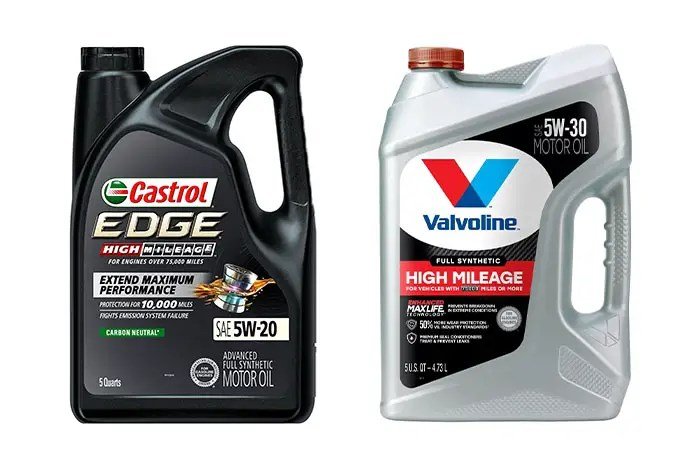
It's a common dilemma for any car owner watching the odometer climb: that magical 75,000-mile mark. Suddenly, you start seeing "high mileage oil" on store shelves, promising to rejuvenate your aging engine. But is it really worth the extra cost, or is it just another marketing gimmick? The truth is, high mileage oil can be a valuable tool for extending your car's life, but only when your vehicle truly needs it. It's less about the number on your dashboard and more about the actual condition of your engine.
This isn't just about pouring a different liquid into your engine; it's about understanding how your car ages and what specialized formulations can do to mitigate those effects. We're here to cut through the noise and give you a clear roadmap to deciding if high mileage oil is the right choice for your beloved older vehicle.
What Makes High Mileage Oil Different (And Why It Matters)
Unlike standard motor oils, high mileage formulations are engineered with specific additives designed to address the unique challenges faced by older engines. Think of them as a tailored nutritional supplement for your car as it matures.
A key difference lies in the seal conditioners. These oils typically contain a higher percentage (around 2.5% compared to 0.3-0.5% in regular oils) of compounds that help aging gaskets and seals swell slightly. Over time, these critical components can shrink and harden, leading to those annoying small leaks. By gently reversing this, high mileage oil helps restore their flexibility and effectiveness. If you're curious about the precise blend of ingredients that sets these oils apart, our in-depth guide explains exactly What is High Mileage Oil.
Beyond seals, these specialized oils also feature beefed-up detergent systems (up to 12% versus 7.5-8% in standard oils) to clean accumulated sludge and deposits without dislodging large chunks that could cause blockages. They also pack extra anti-wear compounds like ZDDP, crucial for protecting metal surfaces in engines that have seen significant wear. These enhanced properties are what give high mileage oils their distinctive edge, offering targeted protection where older engines need it most.
The Real Benefits: More Than Just Stopping Leaks
The primary appeal of high mileage oil is its ability to tackle early signs of engine wear and tear. When your car starts showing its age, these oils can step in to provide targeted support. For instance, the seal conditioners work to prevent and reduce minor oil leaks, which can save you from costly repairs down the line.
The stronger detergent packages in these oils play a vital role in keeping internal components clean, preventing sludge buildup that can hinder performance and fuel economy. Additionally, the extra anti-wear additives provide a crucial layer of protection for internal engine parts that have experienced years of friction. It's about proactive maintenance that can genuinely extend the life of your engine. To fully appreciate the science behind these advantages and how they contribute to your engine's longevity, dive deeper into the Key Benefits of High Mileage.
When to Make the Switch: Look for the Symptoms, Not Just the Miles
This is perhaps the most critical takeaway: do not switch to high mileage oil blindly at an arbitrary mileage marker. While 75,000 miles is a common trigger point, your car's actual condition is far more important. Switching too early when seals are healthy can potentially cause them to over-swell and lead to new problems.
Instead, pay close attention to your vehicle's behavior. Here are the clear signs that your car is ready for high mileage oil:
- Minor Oil Leaks: Noticeable seepage around the valve covers, oil pan, or rear main seal – not massive drips, but persistent staining.
- Increased Oil Consumption: You find yourself adding 0.5 to 1 quart of oil between regular oil changes.
- Blue Exhaust Smoke: A puff of blue smoke, especially at startup or during acceleration, indicates oil is burning in the combustion chamber.
- New Engine Noises: Subtle valve train chatter or tappet noise could signal components are not being lubricated as efficiently.
- Persistent Oil Stains: Oil spots under your car after it's been sitting overnight.
For vehicles with severe driving habits (frequent stop-and-go traffic, extreme temperatures, towing, or if you've occasionally skipped an oil change), you might consider switching a bit earlier, perhaps between 60,000-75,000 miles. Conversely, a well-maintained car used primarily for highway driving might not need it until 120,000-150,000 miles. Understanding the nuances of when your car genuinely needs this specialized care is vital, and you can explore all the factors that influence this decision in our detailed guide on When to switch high mileage oil.
Is the Cost Justified? Weighing the Investment
High mileage oil typically costs $15-20 more per oil change than conventional oil, or $5-15 more than full synthetic. For a vehicle getting four oil changes a year, this amounts to an extra $60-80 annually. Is this additional expense worth it?
Consider the potential savings:
- Reduced Oil Consumption: If high mileage oil halves your oil consumption, you could save $24-30 annually on top-offs.
- Preventing Major Repairs: The most significant saving comes from preventing or delaying major seal repairs, which can easily run $200-$800.
Independent research, while limited, often points to manufacturers' claims like Mobil 1's reported 17% leak reduction or Valvoline's findings of improved seal flexibility. Results vary, of course, depending on your engine's specific condition and its maintenance history. For many, preventing a costly repair is well worth the modest annual investment.
Top Brands and Viscosity Choices
When you do decide to make the switch, you'll find several reputable brands offering high mileage options across different price points:
- Valvoline MaxLife: Often lauded as the best overall value, this synthetic blend ($35-45) is a favorite among mechanics for its effective seal conditioning and cleaning additives.
- Mobil 1 High Mileage: A premium, full synthetic option ($55-75), ideal for those seeking advanced additives, superior high-temperature protection, and suitability for extended drain intervals.
- Castrol GTX High Mileage: A budget-friendly conventional oil ($30-40) that delivers core high mileage benefits without breaking the bank.
Regarding viscosity, older engines might benefit from slightly higher grades (e.g., 10W-30, 10W-40) to compensate for increased internal clearances. Always stick close to your manufacturer's specifications, but be aware that many high mileage oils are formulated to be slightly thicker within their given viscosity range.
Understanding the Downsides and Misconceptions
While beneficial, high mileage oil isn't a magic bullet and comes with its own set of considerations. One major risk is premature use. As mentioned, introducing high mileage oil to an engine with perfectly healthy seals (especially under 100,000 miles) can cause them to over-swell, potentially leading to leaks instead of preventing them. Always check your vehicle manual, as using non-specified oil might even void a warranty.
Another concern is for severely neglected engines. The enhanced detergents in high mileage oil can dislodge large amounts of accumulated sludge, which might temporarily block oil passages or even increase oil consumption initially. In such cases, shorter oil change intervals during transition are often recommended.
Crucially, high mileage oil cannot fix major mechanical damage. If your engine is burning over a quart of oil per 1,000 miles, has significant compression loss, or exhibits serious internal noises, it likely requires mechanical repair, not just an oil change. It's best used as preventive maintenance for early wear, not a cure for catastrophic failure. For a deeper dive into these important caveats and to dispel common myths, consult our guide on the Potential Drawbacks and Misconceptions of.
High Mileage Oil vs. the Alternatives: Making an Informed Choice
How does high mileage oil stack up against conventional and full synthetic options? Each has its place, and understanding the differences is key to making an informed decision for your vehicle's specific needs.
- Conventional Oil: The most basic and affordable, suitable for newer, lower-mileage engines without specific wear concerns. It lacks the specialized additives of high mileage options.
- Full Synthetic Oil: Offers superior performance, protection, and extended drain intervals compared to conventional oil, due to its chemically engineered base stocks. It excels in extreme temperatures and demanding conditions but doesn't necessarily target aging seals and deposits in the same way high mileage oils do.
- High Mileage Oil: Bridges the gap, often using synthetic blends or full synthetic bases, but with an additive package specifically tailored for older engines. It combines the benefits of advanced lubrication with targeted solutions for wear, seals, and deposits.
The choice often comes down to your engine's age, mileage, condition, and your budget. If you want to understand the full spectrum of choices and truly grasp how high mileage oil positions itself against its counterparts, our comprehensive guide offers a direct High Mileage Oil vs. Conventional.
Mechanics' Take and Smart Switching Steps
Most mechanics support the use of high mileage oil for appropriate applications and when early symptoms appear. However, they consistently emphasize that regular maintenance with any quality oil is far more crucial than sporadic changes with a premium product. Consistency is king.
If you're ready to make the switch, follow these smart steps:
- Monitor First: Don't switch based on mileage alone. Observe your vehicle for the actual symptoms of wear.
- Maintain Intervals: Stick to your manufacturer's recommended oil change intervals, especially during the transition period.
- Allow Time: Improvements are gradual. Give the high mileage oil two to three oil changes to fully observe its results.
The Future of Your High-Mileage Ride
High mileage oil isn't a universal solution, but it is a worthwhile investment if your engine exhibits specific symptoms like minor leaks, increased oil consumption, or early signs of seal deterioration. It's not worth it for well-maintained vehicles without these symptoms, even at high mileage, nor can it salvage severely worn engines requiring mechanical overhaul. The key is to be an observant car owner, assessing your engine's actual condition rather than adhering to arbitrary mileage figures.
With an aging vehicle fleet (where 72% of cars now have over 75,000 miles), the market for high mileage oil is projected to reach $5.2 billion by 2033. This isn't just a trend; it's a recognition of the value in targeted care for vehicles designed to last longer than ever before. By understanding when and why to use it, you can potentially add many more reliable miles to your car's journey, keeping it on the road and out of the repair shop for years to come.