When your trusted vehicle crosses that 75,000-mile threshold, it starts telling a different story – one of wear, tear, and the subtle signs of age. This is precisely where understanding What is High Mileage Oil? Composition & Characteristics becomes crucial. It's not just another motor oil; it's a specialized lubricant engineered to address the specific needs of an aging engine, designed to keep it running smoothly and reliably for years to come. Think of it as a tailored nutrition plan for your car as it matures.
At a Glance: High Mileage Oil Essentials
- Designed for: Vehicles with 75,000 miles or more.
- Key Differentiator: A highly fortified additive package.
- Primary Goals: Mitigate minor oil leaks, reduce oil consumption, and protect worn internal components.
- Unique Additives:
- Seal Conditioners: Restore elasticity to hardened rubber seals.
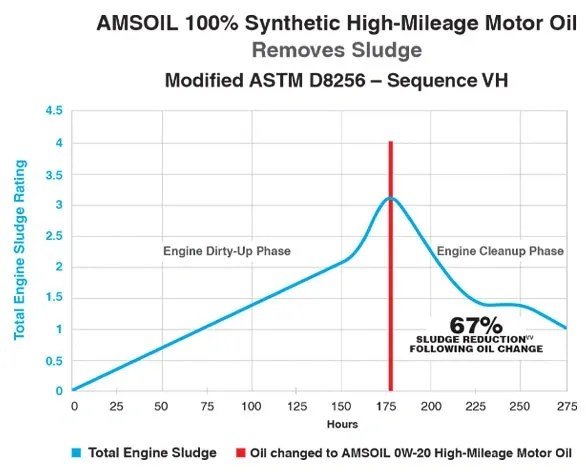
- Enhanced Detergents & Dispersants: Clean more effectively and prevent sludge build-up.
- Increased ZDDP: Provides extra anti-wear protection for metal surfaces.
- Benefits: Fewer leaks, less oil top-offs, quieter engine operation, and extended engine life.
- Compatibility: Fully compatible with conventional and synthetic oils; no flush needed when switching.
The Inevitable March of Time: Why Engines Age Beyond 75,000 Miles
Every internal combustion engine, regardless of its initial quality, undergoes natural degradation. Over tens of thousands of miles, the relentless cycle of heat, friction, and chemical exposure takes its toll. Rubber seals and gaskets, once pliable and tight, begin to harden, shrink, and lose their sealing capabilities. This leads to those frustrating little oil drips on your driveway or, more subtly, oil burning off within the combustion chamber.
Inside the engine, metal components experience cumulative wear. Piston rings, valve train parts, and bearing surfaces gradually develop increased clearances. The protective oil film, which once effortlessly cushioned these parts, struggles to maintain its integrity across these wider gaps. Moreover, older engines tend to produce more combustion byproducts – soot, carbon, and acidic compounds – which accelerate sludge formation and internal contamination. These are the specific challenges high mileage oil is formulated to confront, essentially rolling back some of the clock's effects.
Beyond the Basics: What Makes High Mileage Oil Different?
The true genius of high mileage oil lies in its distinctive chemical makeup. While it shares the same foundational base oils (conventional, synthetic blend, or full synthetic) as standard motor oils, its additive package is where the significant differences emerge. This specialized blend directly targets the common ailments of an aging engine.
The Power of Seal Conditioners
Perhaps the most recognized component of high mileage oil is its inclusion of specialized seal conditioning agents. These aren't magic bullet sealants that stop massive leaks, but rather hydrocarbon-based compounds designed to restore the health of your engine's elastomeric (rubber) seals and gaskets.
Over time, the constant exposure to high temperatures and corrosive chemicals within the engine causes these rubber seals—like those around the valve stems or the rear main seal—to dry out, harden, and shrink. This loss of flexibility creates tiny pathways for oil to escape. Seal conditioners work in one of two primary ways:
- Restoring Elasticity: They penetrate the hardened rubber, replenishing plasticizers and other vital components that have leached out, thus helping the seal regain some of its original pliability.
- Controlled Swelling: Some conditioners can cause a slight, controlled swelling of the dried seal material. This gentle expansion helps the seal expand back into its intended shape, tightening up those minor gaps responsible for oil seepage.
The result is a noticeable reduction in minor oil leaks, preventing those unsightly spots on your garage floor and, more importantly, keeping the vital lubricant contained within the engine where it belongs.
Battling Sludge and Deposits: Enhanced Detergents & Dispersants
Older engines, with their increased blow-by (combustion gases escaping past piston rings), naturally generate more soot and carbon deposits. If unchecked, these contaminants agglomerate into harmful sludge, which can clog oil passages, restrict lubrication, and lead to catastrophic engine failure. High mileage formulations counteract this with an enhanced concentration of detergents and dispersants.
- Detergents: These are typically alkaline metal-organic compounds (like calcium sulfonates or magnesium salicylates). Their primary role is to chemically neutralize corrosive acids formed during combustion, preventing them from attacking metal surfaces. Crucially, they also act like microscopic scrub brushes, lifting and removing existing deposits from engine components such as piston ring lands and valve stems.
- Dispersants: These are ashless organic molecules that work in tandem with detergents. Once deposits are lifted, dispersants encapsulate the fine contaminant particles (like soot and carbon) and hold them in stable suspension within the oil. This prevents them from clumping together to form larger, more destructive sludge, ensuring they remain small enough to be filtered out or drained with the used oil during an oil change.
This boosted cleaning power helps maintain a cleaner internal engine environment, protecting against blockages and allowing the oil to flow freely and lubricate effectively.
Fortifying Against Wear: The ZDDP Advantage
With increased mileage comes increased internal wear. Components that once moved with precision may now have slightly larger clearances, making them more susceptible to metal-to-metal contact, particularly during startup or under high-stress conditions. To combat this, high mileage oils often feature a higher concentration of zinc dialkyldithiophosphate (ZDDP), a potent anti-wear additive.
ZDDP contains zinc and phosphorus, which form a sacrificial protective film on metal surfaces under conditions of high pressure and temperature. When two metal parts rub together, instead of the engine's precious metals grinding against each other, it's this ZDDP film that takes the brunt of the wear. This additional layer of protection is particularly beneficial for:
- Valve Train Components: Parts like camshafts, lifters, and rocker arms, which experience significant sliding friction and high loads.
- Bearing Surfaces: Where the crankshaft and connecting rods rotate.
- Piston Rings: Reducing friction against cylinder walls.
The enhanced ZDDP helps minimize abrasive metal-to-metal contact, preserving the integrity of worn parts and extending their functional life.
Rejuvenating Your Ride: How High Mileage Oil Improves Performance
The specialized composition of high mileage oil directly translates into several tangible performance improvements for an older engine. These aren't just theoretical benefits; they address the very real issues drivers of high-mileage vehicles often experience.
Stemming the Tide: Minimizing Oil Leaks
One of the most common and visible signs of an aging engine is the development of minor oil leaks. These often manifest as small puddles or drips under your car, or tell-tale oil staining on the engine block. The culprits are frequently the hardened and shrunken valve stem seals, rear main seal, or other various gaskets.
High mileage oil's seal conditioners are highly effective in targeting these minor leaks. By restoring the pliability and slight swelling of these rubber components, the oil reduces the pathways through which engine oil can escape. This means fewer visible oil spots on your driveway and a more contained lubricant system overall. It addresses the common nuisance of external oil seepage, giving you more peace of mind.
Keeping Oil Where It Belongs: Reducing Consumption
Beyond external leaks, many high-mileage vehicles exhibit increased oil consumption – meaning you find yourself adding a quart or two between scheduled oil changes. A primary cause of this internal loss is hardened valve stem seals, which allow oil to seep past the valve guides and into the combustion chambers, where it burns off.
By improving the integrity of these critical seals, high mileage oil significantly reduces this internal oil loss. It helps keep the lubricant within the crankcase, where it's supposed to be, rather than allowing it to be consumed. This translates directly into less frequent top-offs and a more consistent oil level, which is crucial for overall engine health and longevity. The improved film strength of high mileage oil also plays a role, as it maintains a thicker, more stable lubricating layer on internal engine parts, even with increased internal wear, further reducing opportunities for oil to escape past worn components like piston rings.
Quieting the Clatter: Smoother Engine Operation
Does your engine sound a bit more "ticky" or "knocking" than it used to? These noises often arise from increased clearances between worn internal components. As parts wear, the gaps between them widen, leading to slight metallic contact or less effective hydraulic operation.
The improved film strength and better viscosity stability of high mileage oil can help mitigate these sounds. A thicker, more robust oil film effectively cushions these increased clearances, reducing the noise associated with metal parts momentarily contacting each other. While the oil cannot miraculously repair mechanical damage, this enhanced lubrication minimizes friction and helps maintain a more consistent pressure within the engine's hydraulic systems (like those controlling lifters). The combined effect of reduced leaks, lower consumption, and quieter operation provides a noticeable extension of the engine's smooth running characteristics. Many drivers report a quieter, smoother-sounding engine after switching to high mileage oil.
Maintaining Stability: Viscosity and Film Strength
An older engine is inherently less efficient at managing heat and internal pressures compared to a new one. This can challenge the oil's ability to maintain its intended viscosity and film strength, especially under demanding conditions. High mileage oils are formulated to resist thermal breakdown and maintain their viscosity better, ensuring a stable, protective layer even as engine clearances increase. This consistent film strength is vital for protecting critical moving parts and preventing accelerated wear.
Making the Switch: When and How to Use High Mileage Oil
Deciding to make the switch to high mileage oil is a practical step for many owners of aging vehicles. It's generally a straightforward process, but understanding the guidelines can ensure you get the most benefit.
Timing Is Everything: Is Your Car Ready?
The general consensus among lubricant experts is that a vehicle becomes a prime candidate for high mileage oil once it surpasses the 75,000-mile mark. This isn't an arbitrary number, but rather an indicator of when the cumulative effects of heat, time, and friction typically begin to degrade engine seals and increase internal clearances.
You don't necessarily need to wait for a major problem. Drivers should consider making the switch when they observe early warning signs such as:
- A slight increase in oil consumption (you're adding a quart or more between changes).
- The appearance of small oil drops or stains under the vehicle.
- A faintly audible ticking or knocking noise from the engine that wasn't there before.
Making the switch proactively can help prevent minor issues from escalating into costly repairs. However, it's important to be realistic: high mileage oil can't fix severe mechanical damage or large, pre-existing leaks. If you have a significant oil leak, it will likely require mechanical intervention first.
Effortless Transition: Compatibility and Blending
One of the great advantages of high mileage oils is their full compatibility with both conventional and synthetic motor oils. This means you don't need to perform any special engine flush or conversion process before making the switch.
You can simply begin using the high mileage product at your very next scheduled oil change. It will seamlessly mix with any residual lubricant left in the engine without causing adverse chemical reactions. This straightforward compatibility makes the transition hassle-free for drivers. Most manufacturers offer high mileage versions in both synthetic and synthetic blend options, allowing you to choose the type best suited for your engine and driving conditions.
The Right Tool for the Job: New Cars vs. Old Engines
While high mileage oil offers significant benefits for older vehicles, it's generally unnecessary and potentially wasteful to use it in a brand-new car or one with very low mileage. New engines are manufactured with incredibly tight tolerances, and their seals are in pristine condition. They simply do not yet require the restorative properties of seal conditioners or the extra cleaning power found in high mileage formulations.
Using high mileage oil in a new engine won't cause harm, but the specialized additives won't provide any discernible benefit to the performance or longevity of a low-mileage car. It's akin to giving a perfectly healthy young person a medication designed for an elderly individual; it's not harmful, but it's not providing any targeted benefit. The product is most effective when applied to the specific problems of an older engine that has begun to show the inevitable signs of wear.
The question of whether should you use high mileage oil is best answered by assessing your vehicle's age and current performance. For those over the 75,000-mile mark, the evidence strongly supports its use.
Common Questions & Misconceptions About High Mileage Oil
Despite its popularity, high mileage oil sometimes comes with its share of myths. Let's clarify some common questions.
"Will high mileage oil fix a major oil leak?"
No. High mileage oil is formulated to address minor leaks caused by hardened or shrunken seals. It helps restore flexibility and create a better seal. It cannot, however, repair a cracked engine block, a severely damaged gasket, or a completely failed seal. If you have a significant, rapid oil loss, that indicates a mechanical problem requiring professional repair. High mileage oil is a preventative and restorative measure for early signs of wear, not a miracle cure for major damage.
"Can I switch back to regular oil after using high mileage oil?"
Yes, absolutely. High mileage oils are fully compatible with standard conventional and synthetic oils. There's no chemical conflict or harm in switching back and forth. You might find that some of the benefits (like reduced oil consumption) diminish if you return to a regular oil, especially if your engine truly benefits from the specialized additives. Many drivers find that once they experience the benefits of high mileage oil, they prefer to stick with it.
"Is high mileage oil only for specific car brands?"
Not at all. High mileage oil formulations are universal for internal combustion engines and are not brand-specific. As long as you select the correct viscosity grade (e.g., 5W-30, 0W-20) as recommended by your vehicle manufacturer, a high mileage oil from any reputable brand will work in your car.
"Does high mileage oil cause sludge or harm new engines?"
This is a misconception. High mileage oil is formulated to be cleaner, not dirtier. Its enhanced detergent and dispersant package actively prevents sludge formation. As for new engines, while it's generally unnecessary, using high mileage oil won't harm them. The additives simply won't provide any targeted benefit because a new engine's seals and internal components are already in optimal condition.
Choosing the Right High Mileage Oil
When you decide to make the switch, selecting the right high mileage oil is crucial, primarily regarding its base oil type and viscosity.
- Viscosity Grade: Always refer to your vehicle's owner's manual for the recommended viscosity grade (e.g., 5W-30, 0W-20). This is the most critical factor for proper lubrication and engine protection. High mileage oils are available in all common viscosity grades.
- Synthetic vs. Synthetic Blend:
- Synthetic Blend High Mileage Oil: Offers a good balance of protection and value. It combines conventional and synthetic base oils with the high mileage additive package. It's a great choice for many older vehicles.
- Full Synthetic High Mileage Oil: Provides the best overall protection, especially for engines that operate under extreme conditions (towing, frequent short trips, very hot or cold climates). Full synthetics offer superior resistance to thermal breakdown and maintain stability over longer intervals, making them ideal for pushing your high-mileage engine further.
- Brand Reputation: Stick with reputable oil brands that meet or exceed industry standards (like API SN Plus or SP).
Your Next Move: Maintaining an Aging Engine
Understanding what high mileage oil is and how its unique composition and characteristics benefit older engines is a powerful step in proactive vehicle maintenance. It's more than just an oil change; it's an investment in your engine's future. By addressing the specific challenges of wear, leaks, and deposits, high mileage oil helps extend the reliable operating life of your vehicle, reducing the likelihood of costly repairs and keeping you on the road longer.
If your vehicle has crossed the 75,000-mile mark, and especially if you're noticing early signs of aging like increased oil consumption or minor leaks, consider making the switch at your next oil change. It's a simple, effective way to give your seasoned companion the specialized care it deserves, ensuring many more miles of smooth, dependable driving.